
No Hot Water? 8 Common Causes (Gas & Electric) and What to Check
Why your water heater stopped making hot water, what you can safely check yourself, and when it’s time to call a plumber.
In this guide
If only one faucet is cold, the problem is likely that fixture. If every faucet is cold, check the breaker on an electric water heater, or make sure the gas is on and the pilot is lit on a gas heater. The most common causes are a pilot or ignition problem, a tripped breaker or reset switch, a failed heating element or thermostat, and sediment buildup. If a breaker keeps tripping, the pilot won’t stay lit, or you smell gas, call a pro.
Few things ruin a morning faster than a cold shower. The good news: a lot of “no hot water” problems come down to a handful of causes, and some of them you can check yourself in a few minutes. This guide covers the most common reasons for no hot water on gas and electric water heaters, what you can safely check, and when it’s time to call a plumber.
First, a few quick checks
Safety first. If you smell gas, don’t try to relight anything. Leave the house and call 911 or your gas company from outside. On electric water heaters, never remove the access panels with the power on; the terminals behind them carry 240 volts.
- Check more than one faucet. If only one faucet or shower is cold, the problem is probably that fixture or its mixing valve, not the water heater.
- Feel the hot-water pipe at the top of the heater. Be careful, it can be hot. If it’s cold, the heater isn’t heating. If it’s hot, the problem may be further down the line.
- Electric heater: check the breaker. Look for a tripped double breaker in your panel labeled “water heater.” Reset it once. If it trips again, stop and call a pro.
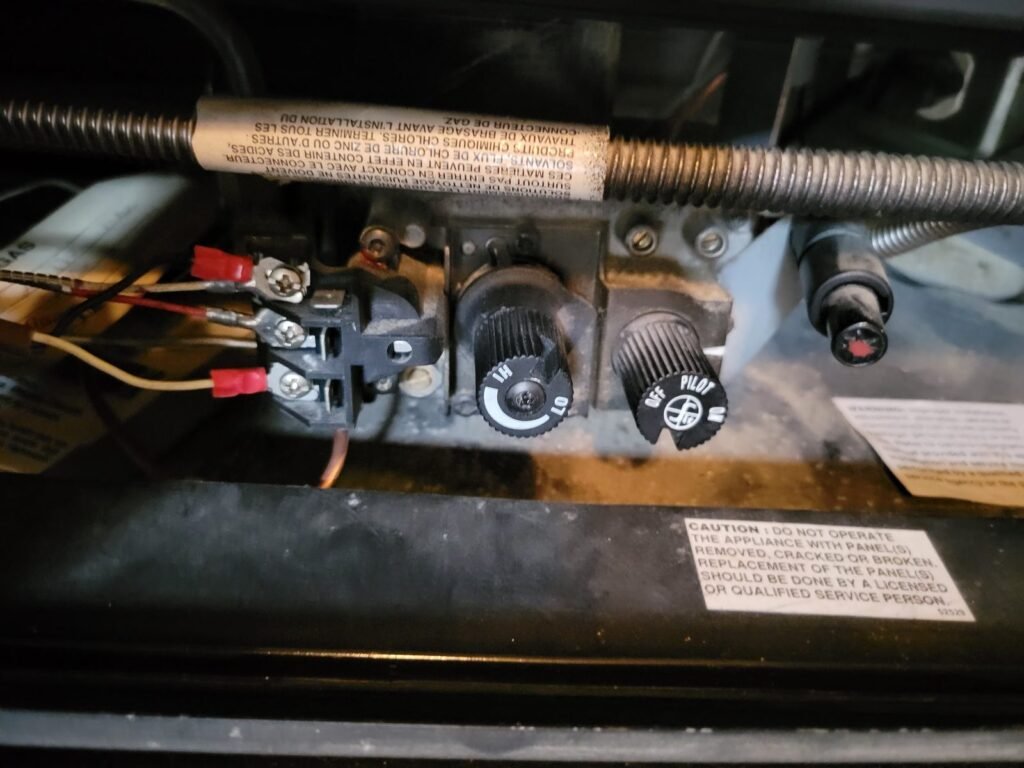
- Gas heater: check the gas and the pilot. Make sure the gas shut-off valve on the supply line is open (handle in line with the pipe) and the control knob is set to ON, not PILOT or VACATION. Many heaters have a small window where you can see whether the pilot is lit.
- Look for water around the base. Water can put out a pilot or trip safety devices. If you see a leak, read our guide on what to do when your water heater is leaking.
8 common causes of no hot water
| Cause | Heater type | Typical sign |
|---|---|---|
| Pilot light out or ignition failure | Gas | No flame visible, no hot water at all |
| Gas supply or gas control valve problem | Gas | Pilot won’t stay lit or burner won’t come on |
| Tripped breaker or high-limit reset | Electric | Sudden total loss of hot water |
| Failed heating element | Electric | No hot water, or lukewarm water that runs out fast |
| Failed thermostat | Electric (and some gas) | Water too cold, or heater won’t shut off |
| Sediment buildup | Both | Less hot water than before, rumbling or popping |
| Broken dip tube | Both | Hot water turns lukewarm very quickly |
| Heater too small or failing with age | Both | Hot water runs out during normal use |
1. The pilot light is out (gas)
On older gas water heaters, a small pilot flame lights the main burner. If it goes out, the burner can’t fire. Drafts, a dirty pilot assembly or a worn thermocouple (the safety sensor that keeps the gas valve open while the pilot is lit) are common reasons. Most heaters have relighting instructions on the label. If the pilot lights but won’t stay lit, the thermocouple or gas control valve usually needs replacing. Newer heaters often use an electronic igniter and flame sensor instead of a standing pilot.
2. A gas supply or gas valve problem (gas)
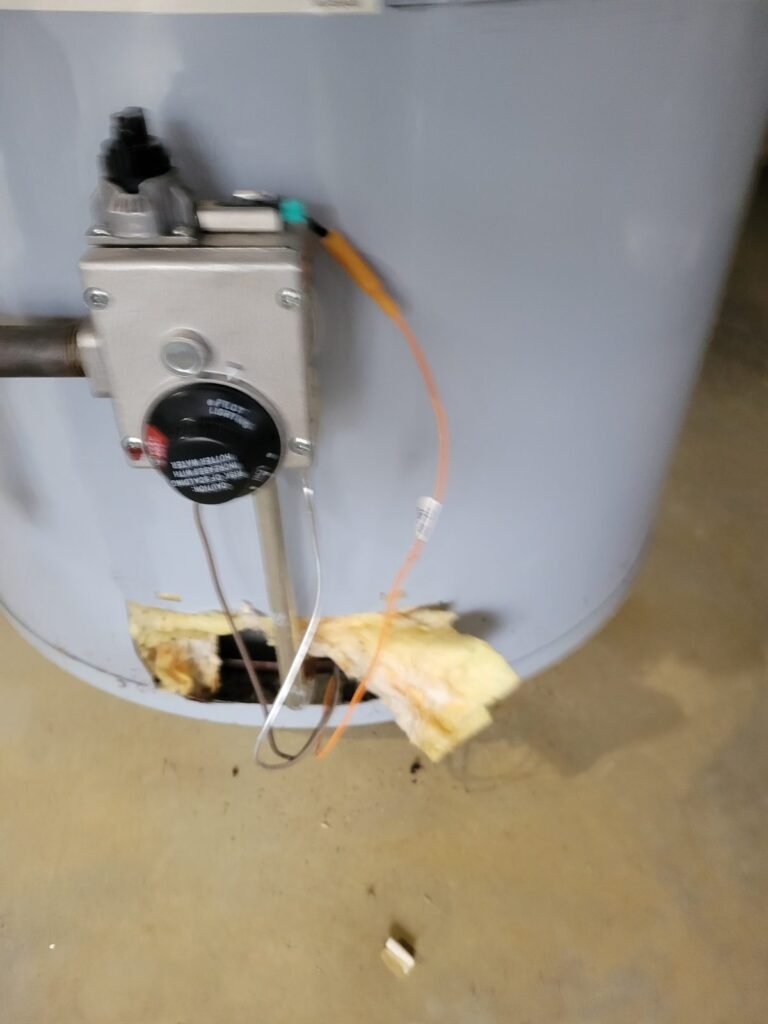
If the gas shut-off is closed, the gas company has interrupted service, or the gas control valve on the heater has failed, the burner won’t light. A gas control valve that won’t respond, or one that’s been damaged by water, should always be replaced by a professional.
3. A tripped breaker or high-limit reset (electric)
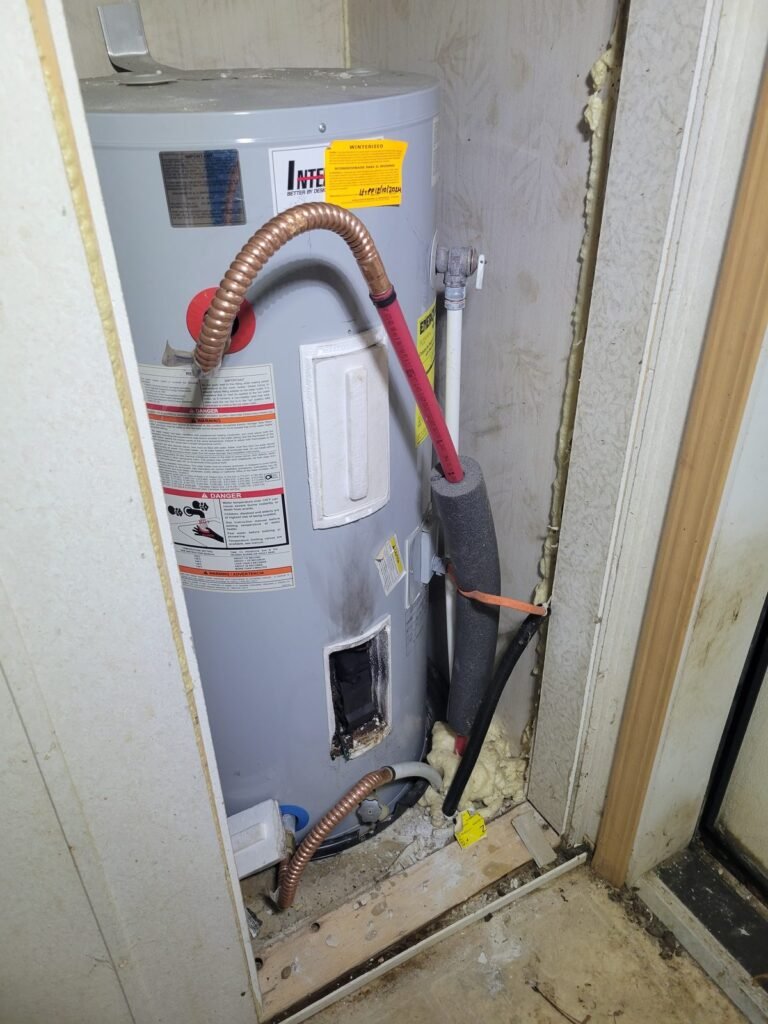
Electric water heaters run on a dedicated 240-volt circuit. A tripped breaker cuts power completely. Behind the upper access panel there’s also a high-limit switch, usually a red reset button, that shuts the heater off if the water gets too hot. If either one trips repeatedly, something is wrong, often a failing thermostat or element, and resetting it again isn’t a fix.
4. A failed heating element (electric)
Most electric tank heaters have two elements, an upper and a lower. If the upper element fails, you’ll typically get no hot water at all. If the lower one fails, you’ll get some hot water that runs out quickly. Elements can be tested with a meter and replaced, which is a common, affordable repair on a heater that’s otherwise in good shape.
5. A failed thermostat (electric)
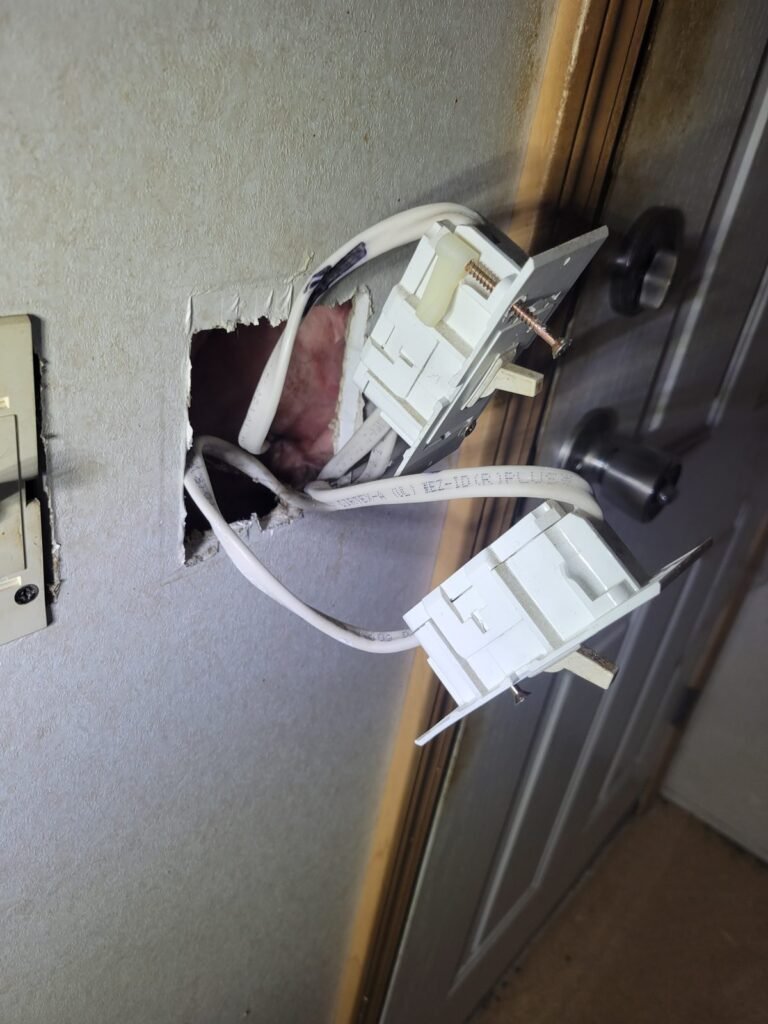
Each element is controlled by its own thermostat. A bad thermostat can stop an element from heating, or let it overheat and trip the high-limit switch. Thermostats are usually replaced along with or instead of the elements after testing.
6. Sediment buildup at the bottom of the tank
Minerals in the water settle to the bottom of the tank over time. On gas heaters, sediment insulates the water from the burner, so it heats slowly and you get less hot water. On electric heaters, it can bury the lower element and cause it to burn out. Popping or rumbling sounds are a classic sign. Flushing the tank once a year helps prevent it.
7. A broken dip tube
The dip tube carries incoming cold water to the bottom of the tank. If it cracks, cold water mixes with the hot water near the top, and your hot water turns lukewarm almost right away. It’s a less common failure, but it’s worth checking when a heater is heating but the water never gets truly hot.
8. The heater is too small or simply worn out
If hot water runs out during normal use, your heater may be undersized for your household, or it may be losing capacity with age. Most tank water heaters last around 8 to 12 years. Once a heater is in that range and starting to have problems, replacing it is often the better investment.
When to call a pro
Call us if the pilot won’t stay lit, the breaker or reset button keeps tripping, you smell gas, you see water around the heater, or you’d rather not open access panels yourself. We fix gas, electric and tankless water heaters 24/7, often the same day.
No hot water from a tankless water heater
Tankless heaters heat water on demand, so their problems look a little different. The most common causes are mineral scale inside the heat exchanger (which is why tankless units need regular descaling), a flow rate too low to trigger the burner, blocked venting or air intake, and a gas supply line too small for the unit. Most tankless heaters show an error code on the display. Write it down before you call; it helps us diagnose the problem faster.
Repair or replace?
- Usually worth repairing: a thermocouple, igniter, element, thermostat, reset switch or dip tube on a heater that is in good condition and under about 8 to 10 years old.
- Usually time to replace: a leaking tank, a failed gas control valve on an older heater, repeated breakdowns, rusty hot water, or a heater more than about 10 years old.
We’ll test the heater, show you what failed and give you an upfront price for each option before any work starts.
Same-day hot water in Maryland, DC and Northern Virginia
Our licensed plumbers carry common water heater parts and can usually restore hot water the same day across Prince George’s, Montgomery and Anne Arundel counties, Washington, DC and Northern Virginia. If your heater needs replacing, we handle the permit and inspection too.
Key takeaways
- Check more than one faucet first. If only one is cold, the problem is the fixture.
- Electric heaters: a tripped breaker, reset switch, element or thermostat is usually to blame.
- Gas heaters: check the gas supply, control knob and pilot light.
- Sediment, a broken dip tube or an undersized heater can cause hot water that runs out fast.
- If a breaker keeps tripping, the pilot won’t stay lit, or you smell gas, call a pro.
Frequently asked questions
Why do I have no hot water but the water heater is on?
On an electric heater, an element, thermostat or the high-limit reset may have failed even though the breaker is on. On a gas heater, the pilot or igniter may not be lighting the burner, or the gas control valve may have failed. Sediment buildup can also make the water heat very slowly.
How do I reset my water heater?
On most electric water heaters, turn off the breaker, remove the upper access panel and insulation, and press the red reset button above the upper thermostat. On gas heaters, relight the pilot following the instructions on the label. If the heater needs resetting again soon after, call a pro.
Why does my hot water run out so fast?
Common causes are a failed lower heating element on an electric heater, sediment taking up space in the tank, a broken dip tube, or a heater that’s too small for your household.
How long does it take a water heater to heat back up?
It depends on the size and fuel type. Gas tank heaters generally recover faster than electric ones, and a typical tank can take anywhere from under an hour to a couple of hours to fully reheat after being emptied.
Is no hot water an emergency?
It’s not usually dangerous on its own, but it is if you smell gas, see water near electrical equipment, or the heater is leaking. In those cases turn off the power or gas and call right away. We’re available 24/7.

Need this fixed? We serve your area
Licensed plumbers and electricians on call 24/7 in these communities and across the DMV.
Related water heaters guides
Rather have a pro handle it?
Emergencies: call now and we’ll be on the way. For everything else, send your details and we’ll call you right back.
- ✓ Free estimates on installs & upgrades
- ✓ Licensed & insured in Maryland
- ✓ Open 24/7, including weekends