
Electric Water Heater Not Heating? Elements, Thermostats & the Reset Button
How an electric water heater works, why it stops heating, what the red reset button does, and when an element or thermostat needs replacing.
In this guide
When an electric water heater stops heating, check the breaker first. If it’s on, the high-limit reset (usually a red button behind the upper access panel) may have tripped, or a heating element or thermostat may have failed. No hot water at all often points to the upper element or thermostat; hot water that runs out fast often points to the lower element. Always turn off the breaker before opening the panels, because the parts behind them carry 240 volts.
Electric water heaters are simple machines, which is good news when something goes wrong: there are only a few parts that usually fail. This guide explains how your heater works, what each symptom points to, and which repairs are worth making.
240 volts behind the panels. Turn off the water heater’s breaker before removing any access panel, and confirm the power is off with a tester. If you’re not comfortable with electrical work, stop here and call a pro.
How an electric water heater works
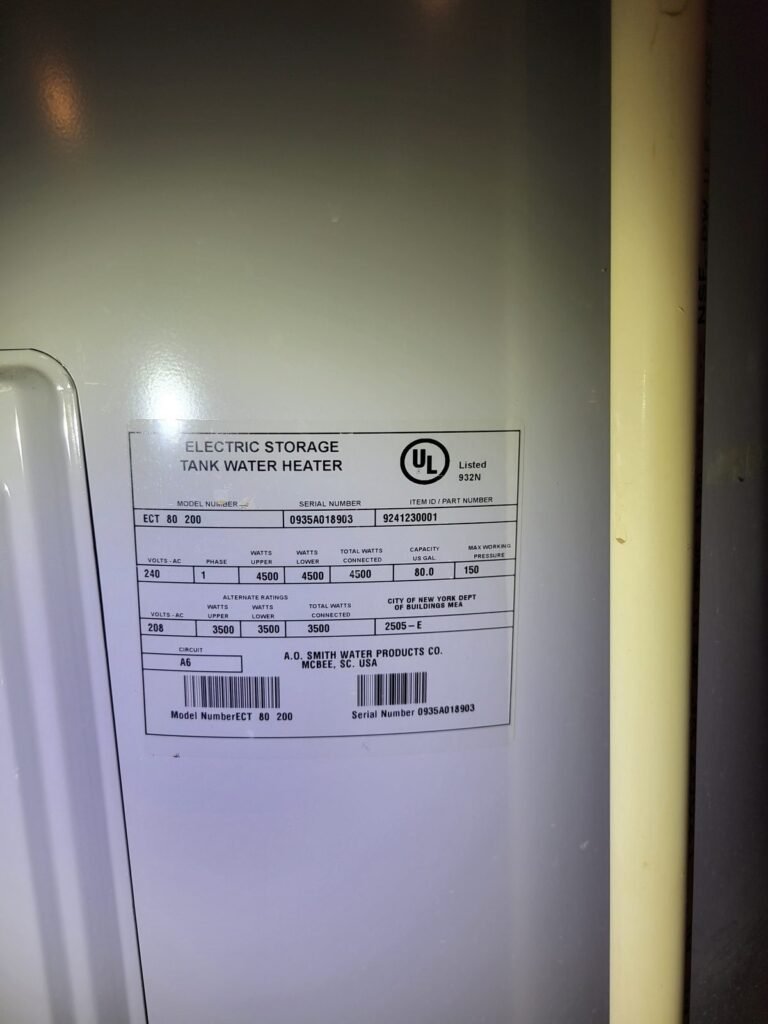
Most electric tank heaters have two heating elements, one near the top of the tank and one near the bottom. Each element has its own thermostat behind a small access panel. The upper thermostat heats the top of the tank first, then passes power to the lower element. Usually only one element runs at a time. Above the upper thermostat is a high-limit switch with a reset button that cuts power if the water ever gets dangerously hot.
What your symptoms point to
| Symptom | Most likely cause |
|---|---|
| No hot water at all | Tripped breaker, tripped high-limit reset, failed upper element or upper thermostat |
| Some hot water, but it runs out quickly | Failed lower element or lower thermostat, or sediment covering the lower element |
| Water is too hot | Thermostat stuck on or set too high. Turn off the breaker and call a pro |
| Reset button keeps tripping | Failing thermostat, a grounded element or a wiring problem |
| Breaker keeps tripping | Shorted element, damaged wiring or a failing breaker |
Step-by-step checks
- Check the breaker. Electric water heaters are usually on a double breaker in the panel. If it’s tripped, reset it once. If it trips again, don’t keep resetting it; there’s a fault that needs to be found.
- Check the high-limit reset. With the breaker off, remove the upper access panel and fold back the insulation. If the red reset button has popped, press it until it clicks, put everything back and restore power.
- Give it time. A full tank can take a while to heat after a reset. If there’s still no hot water after a couple of hours, an element or thermostat has likely failed.
- Note what happens next. If the reset trips again within days, or you got some hot water but it runs out fast, it’s time to test the elements and thermostats.
Failed heating elements
Heating elements are the most common part to fail on an electric heater. A healthy element has a measurable resistance; a typical 4,500-watt, 240-volt element reads somewhere around 12 to 13 ohms on a meter. An element that reads open (no continuity) has burned out, and one that shows continuity to the tank is shorted to ground and can trip the breaker or reset.
Elements often burn out because sediment builds up around the lower element, or because the heater was powered on before the tank was full of water (called dry-firing). Replacing an element means shutting off power and water, draining the tank below the element, swapping it with the correct wattage and voltage, refilling completely and only then restoring power.
Failed thermostats
Each thermostat switches its element on and off. A thermostat that won’t close leaves its element cold. One that sticks closed can overheat the water and trip the high-limit reset. Thermostats can be tested with a meter and are usually replaced in pairs with the elements on an older heater, so the repair lasts.
Why does the reset button keep tripping?
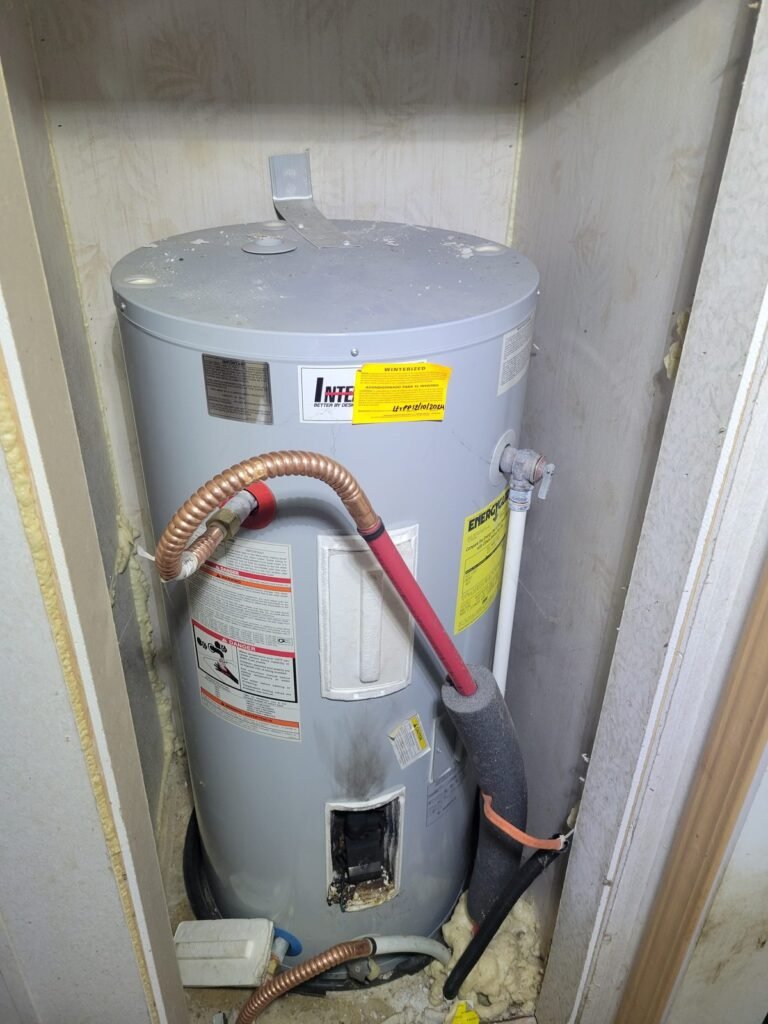
The reset button is a safety device. It trips when the water gets too hot, which shouldn’t happen in normal operation. Repeated tripping usually means a thermostat is sticking, an element is shorted, or a wire connection is loose and overheating. Pressing the button again may get hot water back temporarily, but the underlying fault needs to be fixed.
When to call a pro
Call us if the breaker or reset keeps tripping, the water is too hot, you see scorched wires or melted insulation, or you’d rather not work around 240 volts. Our team includes licensed electricians and plumbers, so we can fix the heater and the circuit feeding it.
Repair or replace your electric water heater?
- Worth repairing: a burned-out element, a failed thermostat or a tripped high-limit on a heater that’s otherwise in good shape and under about 8 to 10 years old.
- Time to replace: a leaking tank, rusty water, repeated failures, or a heater more than about 10 years old. See our guide to leaking water heaters if you’re seeing water.
If you have hot water problems but aren’t sure what kind of heater you have, our guide to the common causes of no hot water covers both gas and electric models.
Electric water heater repair across the DMV
Because Essential Plumbing and Electric has both licensed plumbers and licensed electricians, we can repair the heater and the circuit that powers it in one visit, from replacing elements and thermostats to fixing a damaged breaker or wiring. We serve Prince George’s, Montgomery and Anne Arundel counties, Washington, DC and Northern Virginia 24/7.
Key takeaways
- Check the breaker first, then the red high-limit reset behind the upper panel.
- Always turn off the breaker before opening the access panels: they carry 240 volts.
- No hot water usually points to the upper element or thermostat.
- Hot water that runs out fast usually points to the lower element or sediment.
- A reset or breaker that keeps tripping means there’s a fault that needs repair.
Frequently asked questions
Where is the reset button on an electric water heater?
On most models it’s behind the upper access panel, above the upper thermostat. Turn off the breaker, remove the panel and fold back the insulation to reach it.
How do I know if my water heater element is bad?
With the power off, a multimeter will show an open circuit across a burned-out element. Typical symptoms are no hot water (upper element) or hot water that runs out quickly (lower element).
Why does my water heater keep tripping the breaker?
Usually a shorted heating element, damaged wiring or a loose, overheating connection. Less often, the breaker itself is failing. It should be checked rather than repeatedly reset.
Can I replace a water heater element myself?
Experienced DIYers sometimes do, but it involves working around 240 volts, draining the tank and making sure the tank is completely full before restoring power. If you’re unsure, a licensed pro can do it quickly.
How long do water heater elements last?
It depends on water quality and maintenance. Sediment and hard water shorten element life, which is why annual flushing helps.

Need this fixed? We serve your area
Licensed plumbers and electricians on call 24/7 in these communities and across the DMV.
Related water heaters guides
Rather have a pro handle it?
Emergencies: call now and we’ll be on the way. For everything else, send your details and we’ll call you right back.
- ✓ Free estimates on installs & upgrades
- ✓ Licensed & insured in Maryland
- ✓ Open 24/7, including weekends