
Clogged Drain? Signs, Causes & When to Call a Plumber
How to tell a simple clog from a bigger drain or sewer problem, what usually causes it, and what you can safely try before calling a plumber.
In this guide
A single slow sink or tub is usually a local clog close to the drain: hair, soap, grease or food. Several slow drains at once, gurgling, or water backing up into a tub or floor drain usually points to a main line clog, which needs a plumber. Try a plunger first, avoid chemical cleaners, and call a pro if the clog comes back or more than one fixture is affected.
A clogged drain is one of the most common plumbing calls we get, and most of the time it starts small: water takes a little longer to go down, then one day it doesn't go down at all. This guide explains how to read the warning signs, what usually causes each kind of clog, what you can safely try yourself, and when it's time to call a plumber.
Signs your drain is clogging
- Slow draining. Water pools in the sink, tub or shower and takes minutes to clear.
- Gurgling. Bubbling sounds from a drain or toilet when water runs elsewhere in the house.
- Bad smells. Food, grease and hair rot inside the pipe and the odor comes back up.
- Water coming up somewhere else. Running the washer makes the tub fill, or flushing makes the shower drain bubble. That's a sign of a clog further down the line.
- Recurring clogs. A drain you've cleared before keeps slowing down again within weeks.
One drain or the whole house?
This is the most important question, because it tells you where the clog is.
| What you see | Likely clog location | Typical fix |
|---|---|---|
| One sink, tub or shower is slow | In that fixture's trap or branch line | Plunger, hand snake, cleaning the trap |
| Two fixtures in the same bathroom are slow | In the shared branch drain | Snaking the branch line |
| Drains slow on every floor, gurgling toilets | Main drain or sewer line | Clearing the main line from a cleanout |
| Water backing up into a basement floor drain or tub | Main line, often near where it leaves the house | Call a plumber right away |
The most common causes of clogs
Kitchen sinks: grease and food
Cooking grease is liquid when it's hot and turns solid as it cools inside the pipe. Food scraps, coffee grounds and rice stick to it, and over time the pipe narrows. Garbage disposals help, but they don't make grease safe to pour down the drain.
Bathroom sinks, tubs and showers: hair and soap
Hair wraps around the stopper and the inside of the trap, and soap scum binds it into a mat. Most bathroom clogs are within the first foot or two of the drain.
Toilets: too much paper and things that shouldn't be flushed
Wipes (even the ones labeled flushable), paper towels, feminine products and toys are the usual culprits.
Main lines: buildup, roots and old pipe
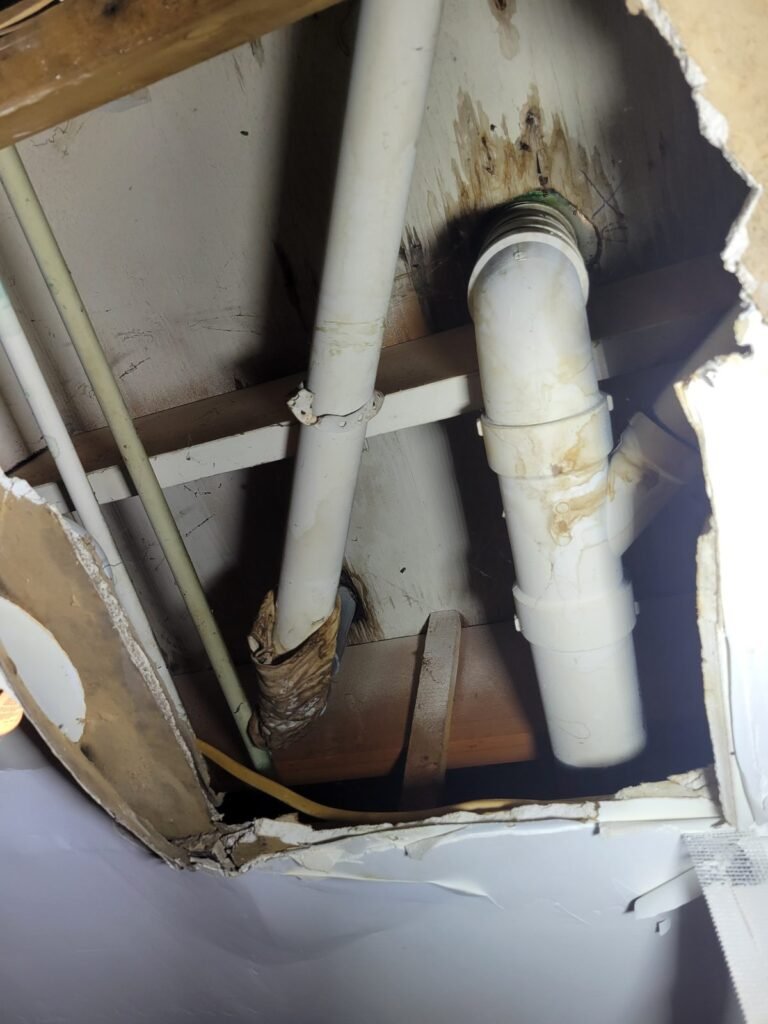
Older homes with cast iron drains build up scale inside the pipe. Underground lines can crack, sag or let tree roots in. These clogs affect the whole house and come back until the cause is fixed.
What you can safely try first
Safety first. Never mix drain chemicals, and never plunge or snake a drain right after pouring a chemical cleaner into it. The splash can burn skin and eyes. If sewage is backing up into the house, stop running water everywhere until the line is cleared.
- Use a plunger. A cup plunger for sinks and tubs, a flange plunger for toilets. Cover the overflow hole on a sink or tub with a wet rag so the pressure goes into the clog.
- Pull and clean the stopper. Bathroom sink and tub stoppers collect a surprising amount of hair.
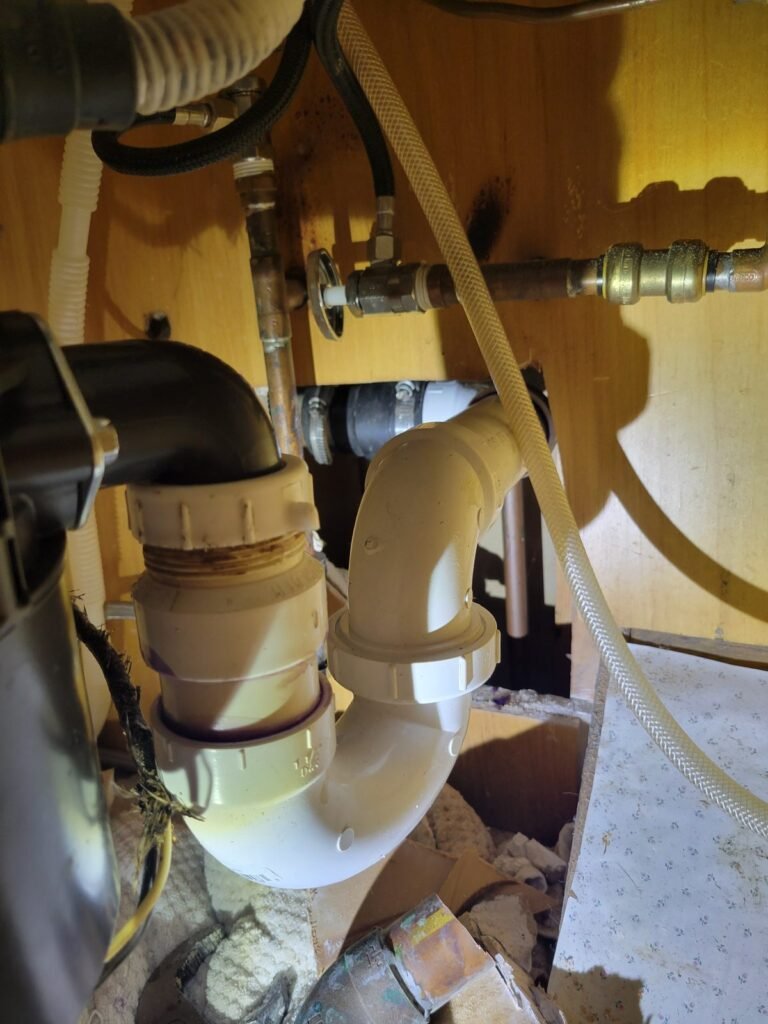
- Clean the trap under the sink. Put a bucket underneath, unscrew the slip nuts by hand and empty the U-shaped trap.
- Try a small hand snake. A 15 to 25 foot hand auger reaches most clogs in a single fixture's line.
- Skip the harsh chemicals. They often don't clear a full blockage, they can damage older pipes, and they make the job dangerous for whoever comes next.
When to call a pro
Call us if the clog keeps coming back, more than one drain is slow, water backs up into a tub or floor drain, or you've already tried a plunger and a hand snake. Our licensed plumbers clear drains 24/7 across Maryland, DC and Northern Virginia.
How a plumber clears a drain
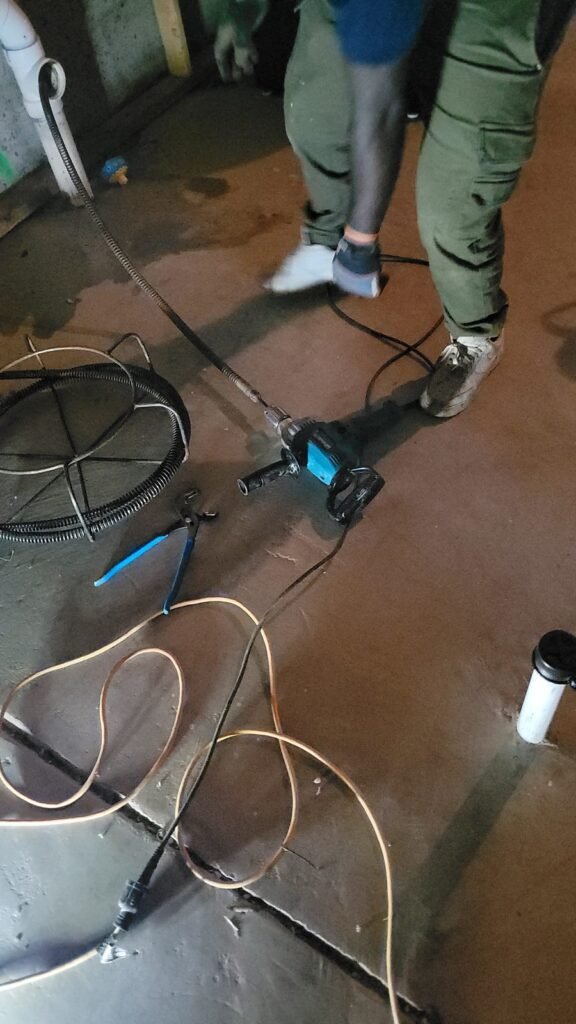
For most clogs we use professional drain machines: motorized cables with cutting heads that are sized for the pipe and long enough to reach the main line from a cleanout. We find where the clog is, clear it, and run water to make sure everything flows. If we see signs of a bigger problem, like broken pipe, a sagging line or roots that keep returning, we'll explain what we found and what your options are before any further work.
How to prevent clogs
- Wipe grease and food scraps into the trash, not the sink.
- Use a hair catcher in showers and tubs.
- Only flush toilet paper.
- Run hot water for a few seconds after using the kitchen sink.
- Call early when several drains slow down at once. Main line clogs only get worse.
Drain cleaning in Maryland, DC and Northern Virginia
We clear clogged sinks, tubs, showers, toilets, floor drains and main lines across Prince George's, Anne Arundel and Montgomery counties, Washington, DC and Northern Virginia, 24 hours a day, 7 days a week.
Key takeaways
- One slow drain is usually a local clog; several slow drains usually means the main line.
- Kitchen clogs are mostly grease and food; bathroom clogs are mostly hair and soap.
- Try a plunger, clean the stopper and trap, or use a small hand snake first.
- Avoid harsh chemical cleaners, especially in older pipes.
- Water backing up into a tub or floor drain needs a plumber right away.
Frequently asked questions
Why do my drains keep clogging?
Usually because the clog was only partly cleared, or because the real cause is further down the line: grease buildup, scale inside old cast iron pipe, a sag in the line or tree roots. A plumber can clear the full length of the pipe and tell you what is causing it.
Is a clogged drain an emergency?
One slow sink usually isn't. Sewage or water backing up into a tub, shower or basement floor drain is, because it can damage floors and walls and is a health risk. Stop running water and call right away.
Do chemical drain cleaners work?
They can dissolve small hair or soap clogs, but they often fail on full blockages, can damage older pipes and fixtures, and leave dangerous chemicals sitting in the pipe. A plunger or hand snake is safer for most clogs.
How long does drain cleaning take?
Most single-drain clogs are cleared in under an hour. Main line clogs can take longer depending on how far the clog is and how easy the cleanout is to reach.

Need this fixed? We serve your area
Licensed plumbers and electricians on call 24/7 in these communities and across the DMV.
Related drains & sewer guides
Rather have a pro handle it?
Emergencies: call now and we’ll be on the way. For everything else, send your details and we’ll call you right back.
- ✓ Free estimates on installs & upgrades
- ✓ Licensed & insured in Maryland
- ✓ Open 24/7, including weekends