
Tankless vs. Tank Water Heaters: Which Is Right for Your Home?
An honest comparison of tankless and tank water heaters: hot water supply, efficiency, installation needs, maintenance and lifespan.
In this guide
A tank water heater stores a set amount of hot water and costs less to buy and install. A tankless water heater heats water only when you use it, so it never runs out and saves standby energy, but it costs more to install, often needs a larger gas line or electrical service plus new venting, and must be descaled regularly. Tankless suits households that want endless hot water and plan to stay long term; a tank is often the simpler, lower-cost choice.
When it’s time for a new water heater, the biggest decision is usually whether to stay with a tank or switch to tankless. Both are good options in the right home. This guide compares them honestly, including the installation details that are easy to overlook.
How each type works
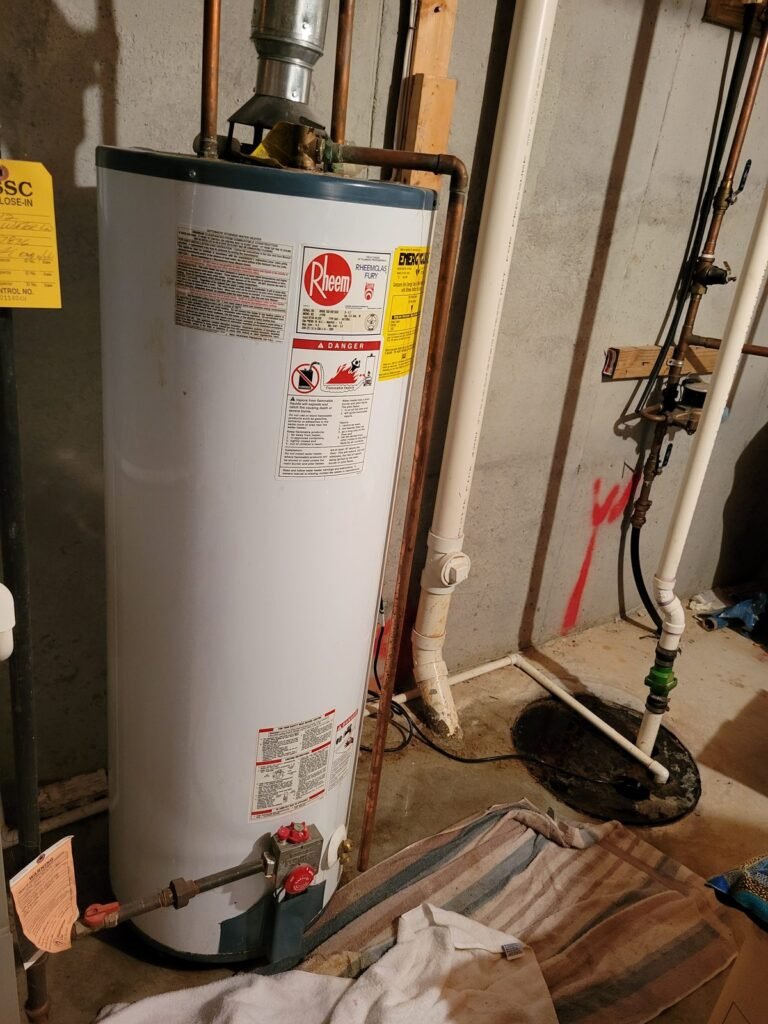
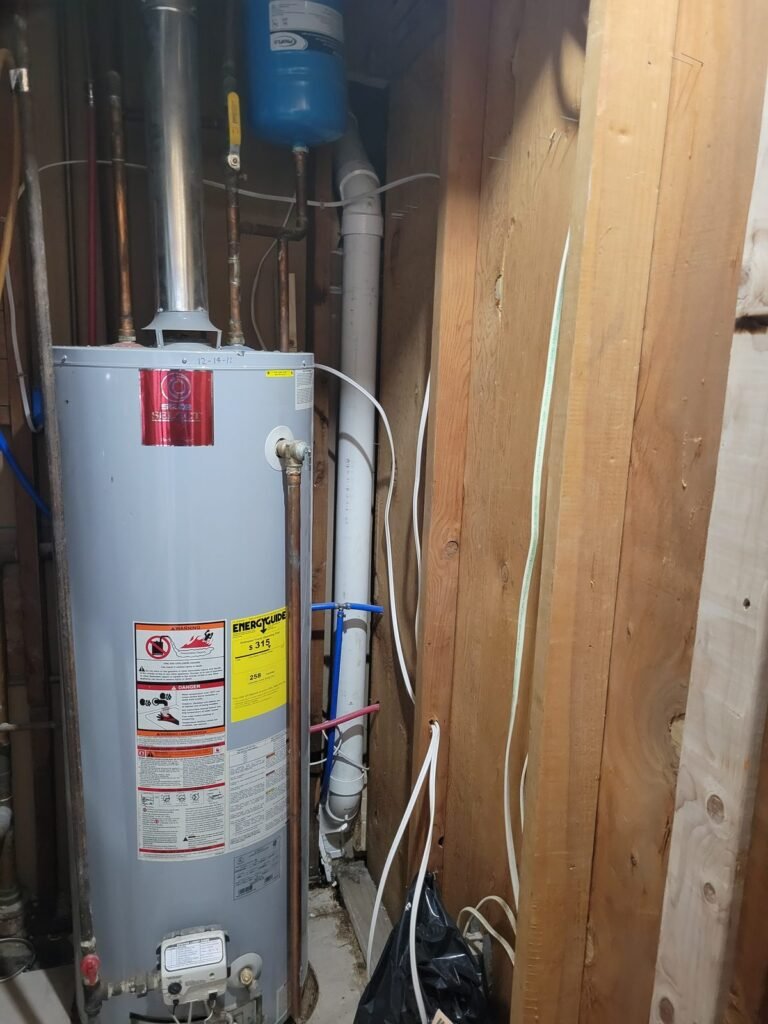
Tank water heaters keep a supply of hot water, typically 40 to 50 gallons in most homes, heated and ready. When you use hot water, cold water refills the tank and the heater warms it back up. Once the hot water is used up, you wait for it to recover.
Tankless water heaters, also called on-demand heaters, heat water as it flows through the unit. There’s no stored supply, so you don’t run out, but the unit can only heat a certain number of gallons per minute at a time.
Tankless vs. tank at a glance
| Tank | Tankless | |
|---|---|---|
| Hot water supply | Limited to the tank size, then needs time to recover | Continuous, limited by flow rate (gallons per minute) |
| Upfront cost | Lower | Higher, for both the unit and installation |
| Energy use | Loses some heat keeping stored water hot | No standby loss, generally more efficient |
| Space | Large footprint on the floor | Compact, wall-mounted |
| Installation | Often reuses existing gas line, venting or circuit | Often needs a larger gas line or electrical service and new venting |
| Maintenance | Annual flushing, anode rod checks | Regular descaling, especially with hard water |
| Typical lifespan | About 8 to 12 years | Often 20 years or more with maintenance |
The case for a tankless water heater
- Endless hot water for back-to-back showers and larger households, as long as the unit is sized for your peak use.
- Lower energy use, because there’s no tank of water to keep hot around the clock.
- More space, since the unit mounts on a wall.
- Longer lifespan, often around twice that of a tank when it’s maintained.
The case for a tank water heater
- Lower upfront cost and a simpler, faster installation in most homes.
- Handles several fixtures at once up to the tank’s capacity, with no minimum flow needed to start heating.
- Familiar and easy to service, with widely available parts.
- Works well with existing infrastructure, so there’s often no need to upgrade the gas line, venting or electrical service.
Installation details to know before switching
Gas tankless
Gas tankless units use a lot of gas while they’re running, so many homes need a larger gas line from the meter. They also need their own venting, often new PVC or stainless steel vent piping, and a condensate drain on high-efficiency models. These are a big part of why tankless installs cost more.
Electric tankless
Whole-house electric tankless heaters draw a lot of power and often need multiple large dedicated circuits. In many homes that means more electrical panel capacity, sometimes a panel or service upgrade. Because we’re plumbers and electricians, we check both sides before recommending one.
Sizing
Tankless heaters are sized by flow rate and temperature rise, not gallons. A unit that’s too small can’t keep up when two showers and the dishwasher run together. In cold months, incoming water is colder, so the heater has to work harder.
Not sure which is right for you?
We install and service both tank and tankless water heaters. We’ll look at your gas line, venting, electrical panel and how your household uses hot water, then give you an honest recommendation and an upfront price for each option.
Which should you choose?
- Choose tankless if you regularly run out of hot water, want to free up space, plan to stay in your home for many years, and your gas line, venting or electrical service can support it.
- Choose a tank if you want the lowest upfront cost, a quick like-for-like replacement, or your home would need major gas or electrical upgrades for tankless.
- Consider a heat pump water heater if you have an electric tank today and want much lower energy use without going tankless.
For more on what drives installation cost, read what affects the cost of replacing a water heater. If you’re deciding because your current heater is aging, see how long water heaters last.
Tank and tankless installation across the DMV
Essential Plumbing and Electric installs gas and electric tank and tankless water heaters across Prince George’s, Montgomery and Anne Arundel counties, Washington, DC and Northern Virginia, including any gas line, venting or electrical upgrades they need, with permits handled.
Key takeaways
- Tank heaters cost less up front and are usually a simpler install.
- Tankless heaters provide continuous hot water and avoid standby energy loss.
- Tankless often needs a bigger gas line or electrical service and new venting.
- Tankless units need regular descaling; tanks need annual flushing.
- The right choice depends on your household’s hot water use and your home’s infrastructure.
Frequently asked questions
Is tankless better than a tank water heater?
Neither is better for every home. Tankless gives endless hot water and uses less energy, while tanks cost less to install and often fit existing connections. It depends on your household and your home’s gas, venting and electrical setup.
Do tankless water heaters run out of hot water?
They don’t run out the way a tank does, but they can only heat so many gallons per minute. If too many fixtures run at once, the water may not stay as hot. Proper sizing prevents this.
Why does a tankless water heater cost more to install?
Many homes need a larger gas line, new venting, a condensate drain or more electrical capacity, plus a new mounting location. Those upgrades add to the cost of the unit itself.
How often does a tankless water heater need maintenance?
Most manufacturers recommend descaling about once a year, and more often in areas with hard water.
Can I replace my tank water heater with a tankless one?
Usually, yes. We’ll check your gas line or electrical service, venting options and space, and tell you exactly what the switch involves before you decide.

Need this fixed? We serve your area
Licensed plumbers and electricians on call 24/7 in these communities and across the DMV.
Related water heaters guides
Rather have a pro handle it?
Emergencies: call now and we’ll be on the way. For everything else, send your details and we’ll call you right back.
- ✓ Free estimates on installs & upgrades
- ✓ Licensed & insured in Maryland
- ✓ Open 24/7, including weekends