
Why Is My Water Heater Making Noise? Popping, Rumbling, Banging & More
What each water heater sound means, from popping and rumbling to hissing, ticking and banging, and which ones need attention right away.
In this guide
Popping or rumbling usually means sediment has built up at the bottom of the tank. Hissing or sizzling can be water dripping onto a hot burner or element, which may mean a leak. Banging in the pipes is often water hammer or thermal expansion. Ticking is usually normal pipe expansion. A loud screech or whistle can point to a partly closed valve or a relief valve under pressure, and any noise with water around the tank or a dripping relief valve should be checked promptly.
Water heaters aren’t completely silent, but new or louder noises are worth paying attention to. The type of sound is a good clue to what’s happening inside the tank or the pipes around it.
What each sound usually means
| Sound | Most likely cause | How urgent |
|---|---|---|
| Popping or rumbling | Sediment buildup at the bottom of the tank | Schedule a flush or service soon |
| Hissing or sizzling | Water dripping onto the burner or a hot element, or condensation | Check for leaks right away |
| Crackling inside an electric heater | Sediment around a heating element | Service soon; elements can fail |
| Banging or knocking in pipes | Water hammer or thermal expansion | Have pressure and expansion control checked |
| Ticking or tapping | Pipes expanding and contracting | Usually normal |
| Screeching or whistling | A partly closed valve, or a relief valve releasing pressure | Check valves and pressure promptly |
Popping and rumbling: sediment
This is the most common water heater noise. Minerals in the water settle at the bottom of the tank over time. On a gas heater, water gets trapped under that layer and boils as the burner heats it, creating popping and rumbling sounds. Sediment also makes the heater less efficient, gives you less hot water and can overheat the bottom of the tank, which shortens its life.
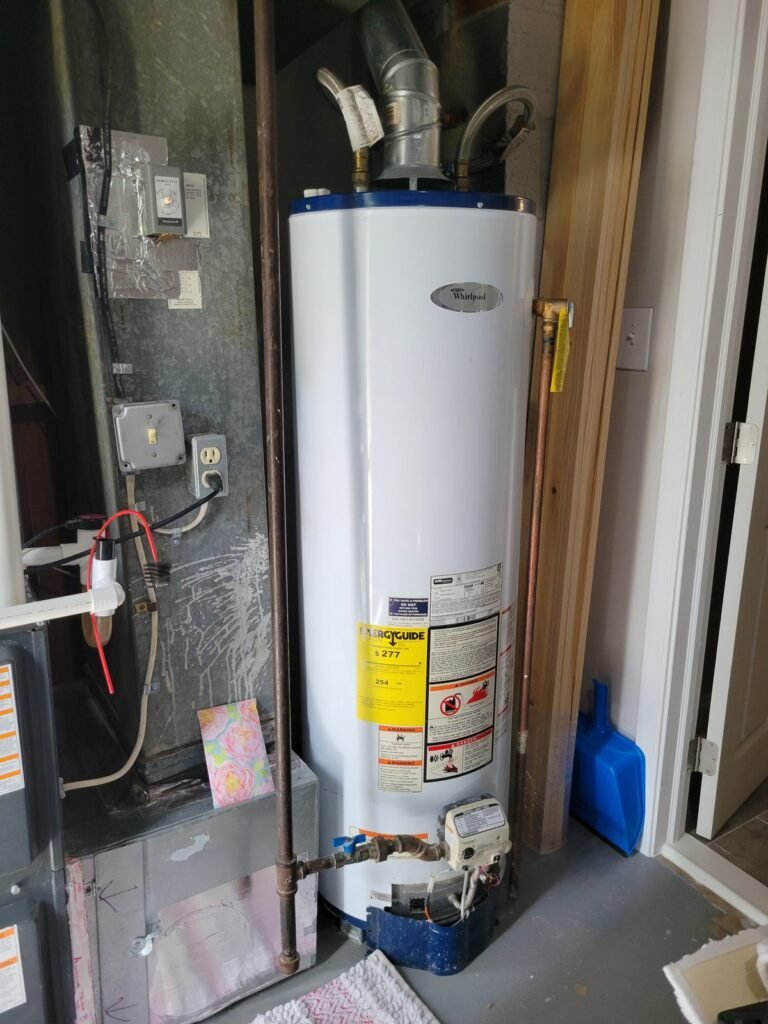
An annual flush helps prevent buildup. On an older heater with heavy sediment, flushing may not clear it completely, and the noise can be a sign the heater is near the end of its life. See how long water heaters last.
Crackling in electric heaters
On electric heaters, sediment collects around the lower heating element and can make crackling or sizzling sounds as the element heats. Over time it can cause the element to burn out, which shows up as hot water that runs out quickly. Our guide to electric water heaters that won’t heat explains the fix.
Hissing and sizzling: check for water
A sizzling sound on a gas heater can be condensation dripping onto the burner, which is common for a few minutes when the tank fills with cold water. But steady sizzling can also mean water is leaking onto the burner from a fitting or the tank itself. Look for moisture around the base and at the top connections. If you find water, follow our steps for a leaking water heater.
A loud noise plus a dripping or discharging relief valve can mean the heater is overheating. Turn off the power or set the gas to OFF or PILOT and call a pro. See why relief valves leak.
Banging pipes: water hammer and thermal expansion
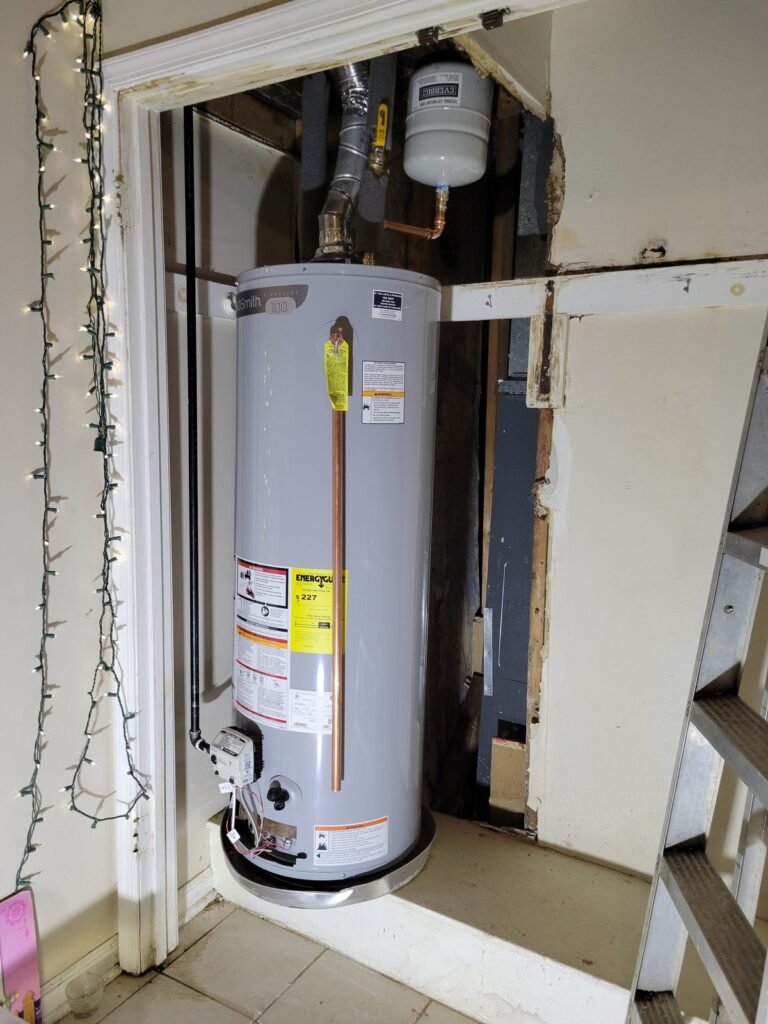
A loud bang when a faucet, dishwasher or washing machine shuts off is usually water hammer: fast-moving water stopping suddenly. High water pressure makes it worse. Banging can also come from thermal expansion in a closed system without a working expansion tank. A pressure test, a pressure reducing valve and water hammer arrestors are common fixes.
When to call a pro
Call us if the noise is new and loud, the heater is leaking, the relief valve is dripping, or the noise comes with less hot water than before. We can flush the tank, check pressure and expansion control, and tell you honestly whether a repair or a replacement makes more sense.
Is a noisy water heater dangerous?
Most noises, like ticking and mild popping, aren’t dangerous on their own. They’re maintenance warnings. The ones to take seriously are noises combined with water around the heater, a dripping relief valve, very hot water at the taps, or a smell of gas. In those cases, shut the heater off and call a professional. If you smell gas, leave the house and call 911 from outside.
If the noise comes with hot water problems, our guide to the common causes of no hot water can help narrow it down.
Key takeaways
- Popping and rumbling almost always mean sediment buildup.
- Hissing or sizzling can mean water is reaching the burner or element; check for leaks.
- Banging pipes usually point to water hammer or thermal expansion.
- Ticking is usually normal.
- Any noise with water, a dripping relief valve or scalding water needs prompt attention.
Frequently asked questions
Why is my water heater popping?
Popping is usually caused by sediment at the bottom of the tank. Water trapped under the sediment boils as the burner heats it. Flushing the tank can help.
Is it normal for a water heater to make noise?
Light ticking and occasional burner sounds are normal. Loud popping, rumbling, banging or hissing usually point to sediment, pressure or leak issues.
Can a noisy water heater explode?
Modern heaters have a relief valve to prevent dangerous pressure, so explosions are extremely rare. But noise combined with a dripping relief valve or very hot water means the heater should be shut off and checked.
Will flushing stop my water heater from making noise?
Often, yes, if the noise is from sediment. On older heaters with hardened sediment, flushing may help only partly.
Why does my water heater hiss?
Hissing can come from condensation on a gas burner, a slightly open relief valve, or water leaking onto a hot surface. Check for moisture around the heater.

Need this fixed? We serve your area
Licensed plumbers and electricians on call 24/7 in these communities and across the DMV.
Related water heaters guides
Rather have a pro handle it?
Emergencies: call now and we’ll be on the way. For everything else, send your details and we’ll call you right back.
- ✓ Free estimates on installs & upgrades
- ✓ Licensed & insured in Maryland
- ✓ Open 24/7, including weekends