
Water Heater Pilot Light Out? Thermocouple & Gas Valve Problems Explained
Why a gas water heater pilot goes out or won’t stay lit, how to relight it safely, and when the thermocouple or gas valve needs replacing.
In this guide
If your gas water heater’s pilot is out, first make sure the gas supply is on and you don’t smell gas. Then relight it following the instructions on the heater’s label. If the pilot lights but goes out when you release the knob, the thermocouple or flame sensor is usually worn or dirty. If it won’t light at all, the gas control valve, igniter or air intake may be the problem. If you smell gas, leave and call 911 from outside.
On many gas water heaters, a small pilot flame sits under the tank and lights the main burner whenever the water needs heating. If that pilot goes out, you lose hot water. Sometimes it’s as simple as relighting it. Other times it keeps going out, and that points to a part that needs attention. Here’s how to tell the difference.
If you smell gas, don’t relight anything. Don’t flip switches or use your phone inside. Leave the house and call 911 or your gas company from outside.
How to relight a water heater pilot light
Every heater is a little different, so always follow the lighting instructions printed on the label on your tank. For most standing-pilot gas heaters, the steps look like this:
- Turn the gas control knob to OFF and wait several minutes (the label will say how long) so any gas in the burner area can clear.
- Turn the knob to PILOT.
- Press and hold the knob or pilot button to send gas to the pilot, then press the igniter button (or follow the label’s instructions) until the pilot lights. You can usually see it through a small window.
- Keep holding for about 30 to 60 seconds after it lights. This heats the thermocouple so it can hold the gas valve open.
- Release slowly and turn the knob to ON. The main burner should light, and you’ll hear it come on.
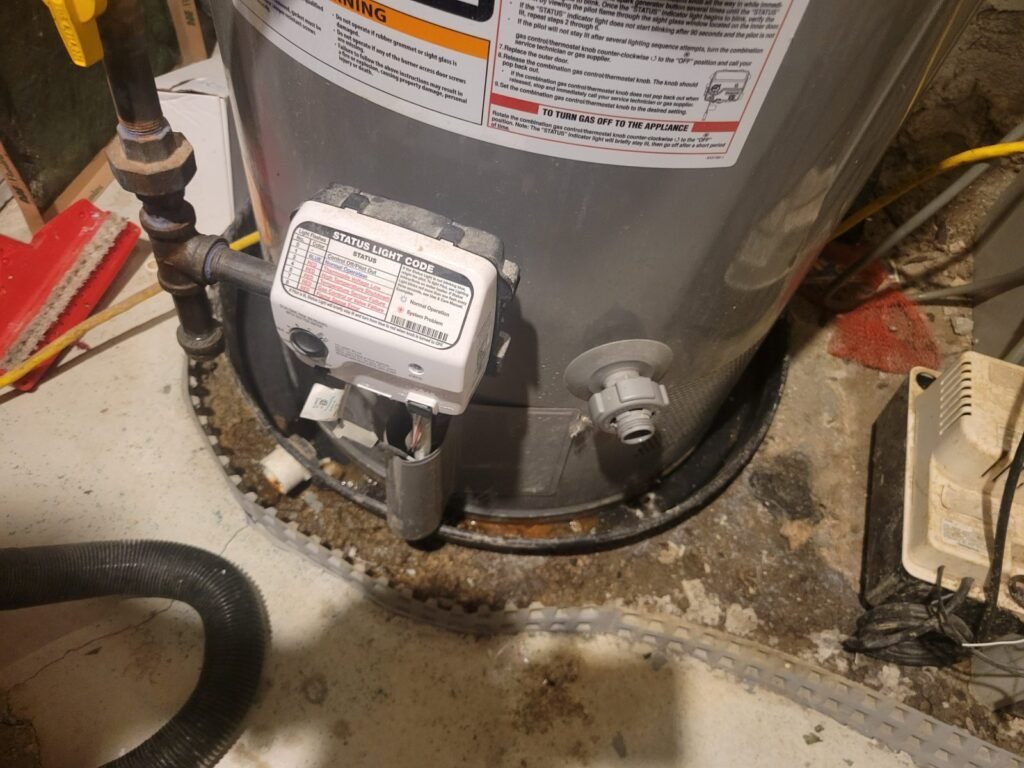
Many newer heaters are sealed-combustion or “FVIR” models with no open access to the burner, and some use an electronic igniter instead of a standing pilot. If yours doesn’t match these steps, or a status light is blinking on the gas control, check the label or call us. Some models lock out after a failure and need a specific reset procedure.
Why does my pilot light keep going out?
| What happens | Most likely cause |
|---|---|
| Pilot lights, but goes out as soon as you let go | Worn, dirty or misaligned thermocouple or flame sensor |
| Pilot lights, then goes out minutes or hours later | Weak or dirty pilot flame, drafts, poor combustion air or a failing thermocouple |
| Pilot won’t light at all | Gas supply off, clogged pilot tube, failed igniter or gas control valve |
| Pilot stays lit but the burner won’t come on | Thermostat or gas control valve problem |
| Status light blinking a pattern | The gas control is reporting a specific fault code |
A worn or dirty thermocouple
The thermocouple is a small metal rod that sits in the pilot flame. When it’s hot, it produces a tiny electrical signal that tells the gas valve it’s safe to stay open. Over time it wears out or gets coated with soot, the signal weakens, and the gas valve shuts off, putting out the pilot. Replacing a thermocouple is one of the most common water heater repairs we do.
A dirty or weak pilot flame
A healthy pilot flame is mostly blue and wraps around the tip of the thermocouple. A small, yellow or flickering flame doesn’t heat it properly. Dust, lint and debris in the pilot tube or burner area are common culprits, especially in laundry rooms and garages.
Drafts, venting and combustion air
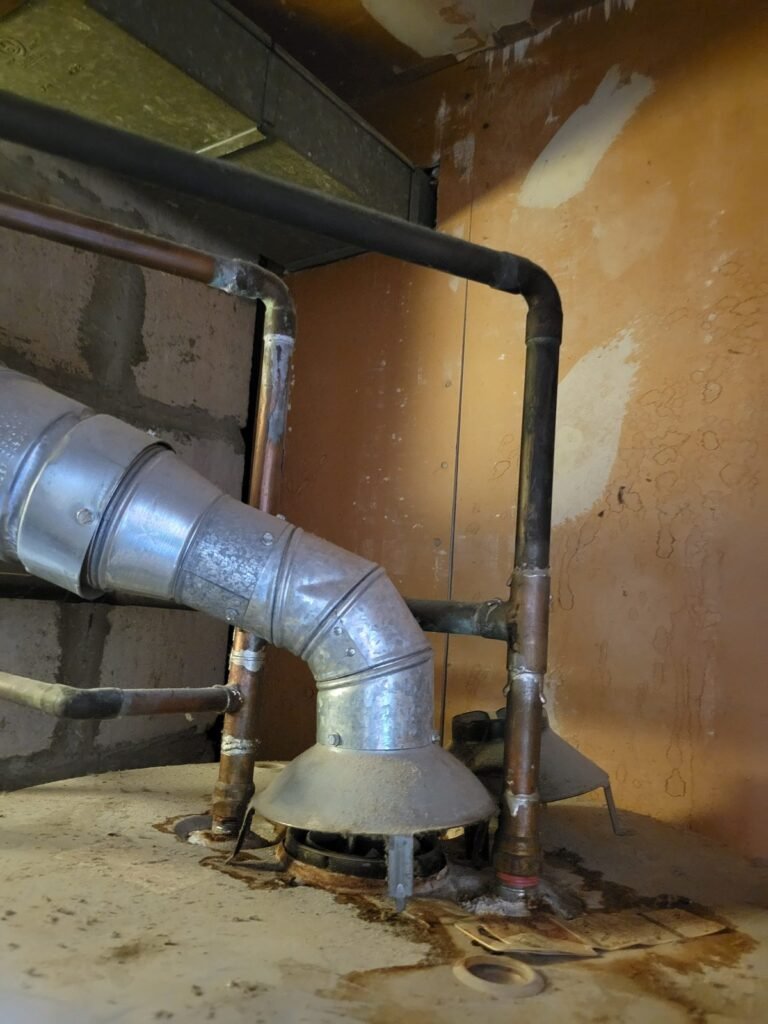
Gas water heaters need a steady supply of air and a properly working vent. Drafts from an open door or window can blow the pilot out. A blocked vent, a closed-in closet without enough air, or backdrafting exhaust can starve the flame. Flammable vapor sensors on newer heaters can also shut the heater down if they detect fumes or the air intake is clogged with lint.
A failed gas control valve
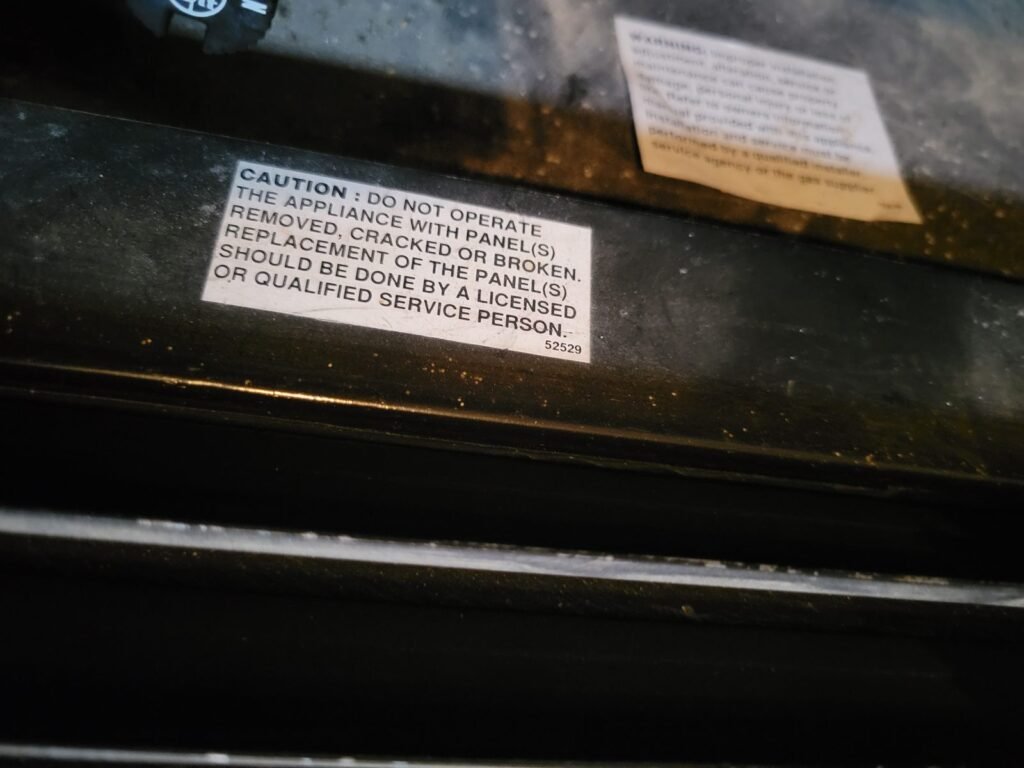
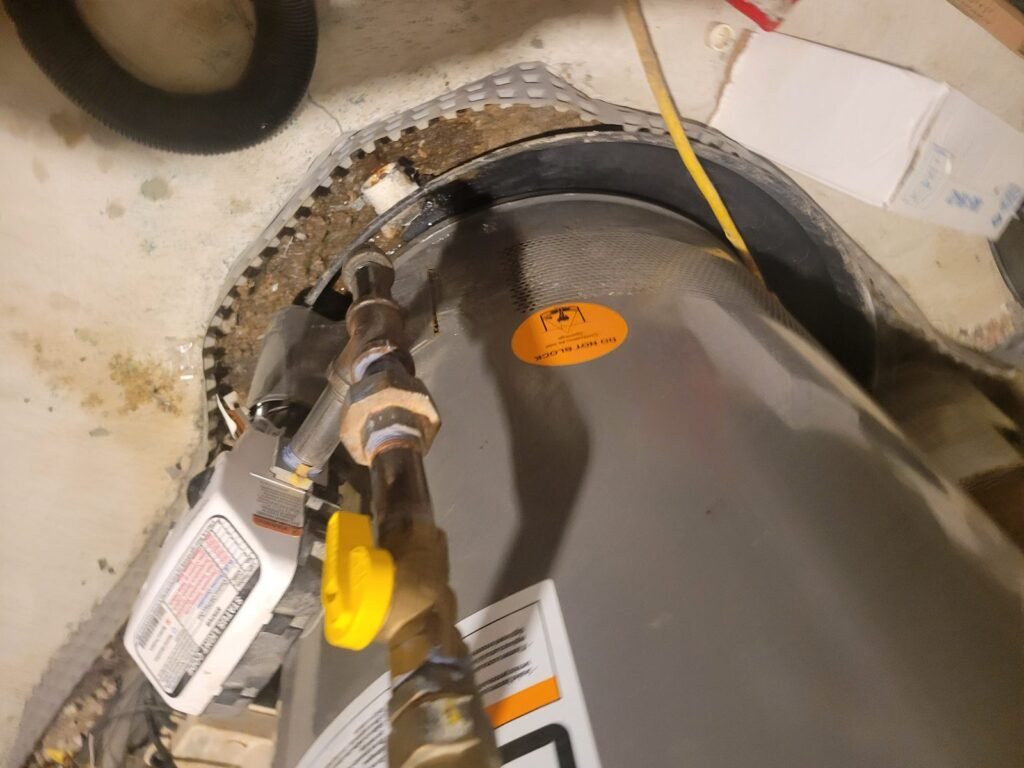
The gas control valve (the box with the knob on the front of the heater) regulates gas to the pilot and burner and contains the thermostat. If it fails, the pilot may not light, may not stay lit, or the burner may never come on. Gas control valves should only be replaced by a licensed professional, and on an older heater, replacing the whole water heater is often the better value.
When to call a pro
Call us if the pilot won’t stay lit after relighting, the gas control has a blinking fault code, you see soot or scorch marks around the burner, or you’re not comfortable working with gas. We repair gas water heaters 24/7.
Can I replace a thermocouple myself?
Thermocouples are inexpensive, and some homeowners do replace them on older, open-burner heaters. But it involves shutting off the gas, removing the burner assembly and reconnecting gas fittings correctly. On sealed-combustion heaters, the burner compartment has a gasketed door that must be sealed properly afterward. If you have any doubt, leave gas work to a licensed plumber.
When a pilot problem means it’s time for a new water heater
If your heater is more than about 10 years old and needs a gas control valve, or it has other problems like rust, leaks or rumbling, a replacement is often the smarter investment. For more on that, see our guide to the common causes of no hot water, and our guide to leaking water heaters.
Gas water heater repair across the DMV
Our licensed plumbers repair and replace gas water heaters across Prince George’s, Montgomery and Anne Arundel counties, Washington, DC and Northern Virginia. We carry common parts like thermocouples and can usually restore hot water the same day.
Key takeaways
- If you smell gas, leave and call 911 from outside. Don’t relight anything.
- Always follow the lighting instructions on your heater’s label.
- A pilot that goes out when you release the knob usually means a bad thermocouple.
- Drafts, dirt and poor combustion air can also put the pilot out.
- Gas control valve replacement should always be done by a licensed pro.
Frequently asked questions
Why won’t my water heater pilot stay lit?
The most common reason is a worn or dirty thermocouple or flame sensor that can’t keep the gas valve open. Dirty pilot assemblies, drafts, poor combustion air and a failing gas control valve are other causes.
How long should I hold the pilot button?
Usually about 30 to 60 seconds after the pilot lights, so the thermocouple heats up. Check your heater’s label for the exact instructions.
Is it safe to relight a water heater pilot?
Yes, if you don’t smell gas and you follow the instructions on the label. If you smell gas at any point, stop, leave the house and call 911 or the gas company from outside.
What does a blinking light on my water heater mean?
Many gas controls flash a status light in a pattern to report a fault, such as a pilot or sensor problem. The meaning is usually printed on the heater’s label or in the manual.
How long does a thermocouple last?
It varies, but thermocouples often last several years. A pilot that won’t stay lit is the classic sign one has worn out.

Need this fixed? We serve your area
Licensed plumbers and electricians on call 24/7 in these communities and across the DMV.
Related water heaters guides
Rather have a pro handle it?
Emergencies: call now and we’ll be on the way. For everything else, send your details and we’ll call you right back.
- ✓ Free estimates on installs & upgrades
- ✓ Licensed & insured in Maryland
- ✓ Open 24/7, including weekends