
How to Flush a Water Heater (and How Often You Should)
A safe, step-by-step guide to draining and flushing a tank water heater, how often to do it, and when to leave it to a pro.
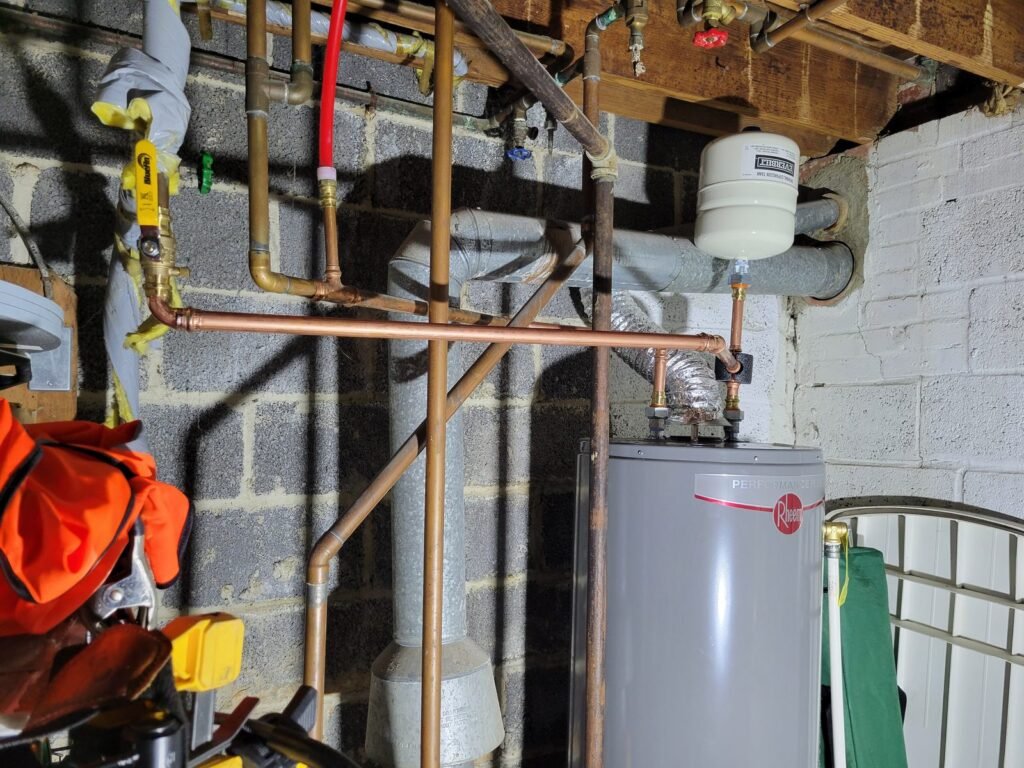
In this guide
To flush a tank water heater: turn off the power (electric) or set the gas to PILOT or VACATION, close the cold-water supply, open a hot faucet, connect a hose to the drain valve and drain the tank to a floor drain or outside. Briefly open the cold supply to stir up and rinse out sediment until the water runs clear, then close the drain valve, refill completely with a hot faucet open, and only then restore power or gas. Most homes should flush once a year.
Flushing is the single most useful thing you can do to keep a tank water heater healthy. It clears out the sediment that causes rumbling, slows heating, burns out electric elements and corrodes the bottom of the tank. It takes about an hour and a garden hose.
Why flushing matters
Minerals in your water settle at the bottom of the tank over time. That sediment makes the heater work harder and less efficiently, takes up space so you get less hot water, causes the popping and rumbling sounds covered in our water heater noise guide, and can contribute to burned-out electric elements and early tank failure.
How often should you flush a water heater?
For most homes, once a year is a good rule. If your water is hard or you’ve noticed rumbling, every six months may be better. Check your heater’s manual too; some manufacturers have specific recommendations.
The water will be hot. Let the heater cool for a few hours if you can, or take care with the hose and drain. On electric heaters, the power must stay off until the tank is completely full again, or the elements can burn out in seconds.
What you’ll need
- A garden hose long enough to reach a floor drain or outside
- A bucket and towels
- A flathead screwdriver or adjustable wrench for the drain valve, depending on the type
- Gloves
How to flush a tank water heater, step by step
- Turn off the heat source. Electric: switch off the water heater’s breaker. Gas: turn the control knob to PILOT or VACATION so the burner won’t fire.
- Close the cold-water supply valve on the pipe going into the top of the heater.
- Open a hot-water faucet somewhere in the house, ideally on a lower floor. This lets air into the tank so it drains.
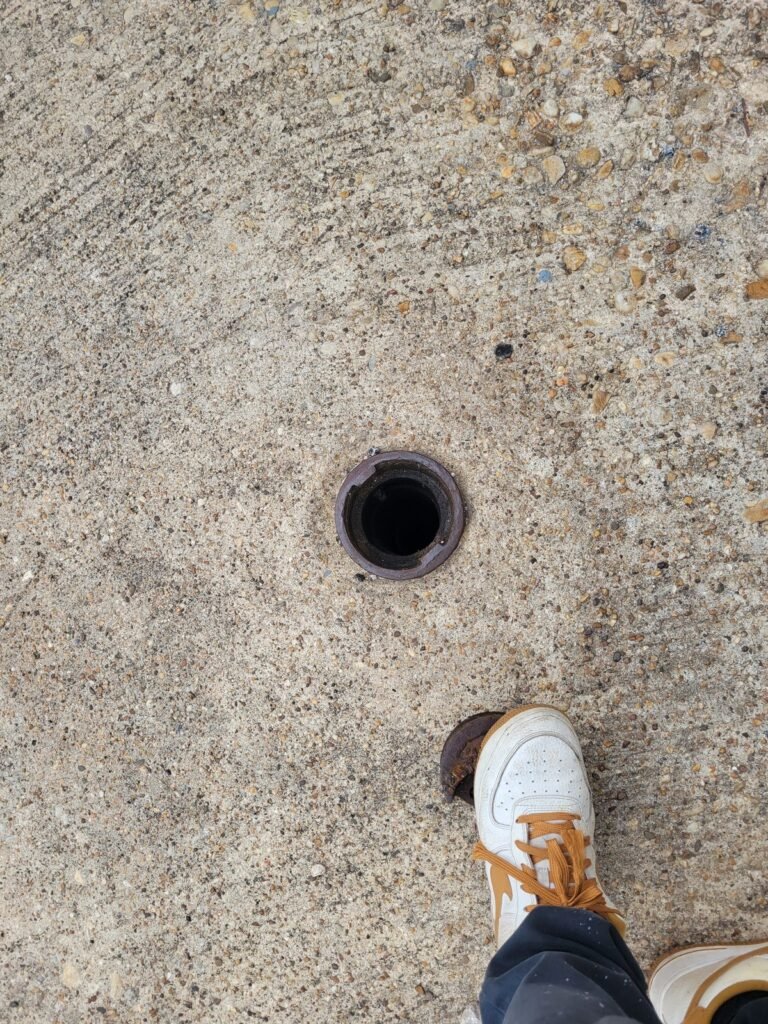
- Connect the hose to the drain valve near the bottom of the tank and run it to a floor drain, a sump, or outside to a spot where hot water won’t damage anything.
- Open the drain valve and let the tank drain. The first water out is often cloudy or full of sediment.
- Flush out the sediment. With the drain still open, briefly open the cold-water supply for a minute or so to stir up sediment and rinse it out. Repeat until the water runs clear.
- Close the drain valve and disconnect the hose.
- Refill the tank. Open the cold-water supply fully and leave the hot faucet open until water flows steadily without spitting air. That means the tank is full.
- Restore the heat. Turn the breaker back on, or set the gas control back to ON (relight the pilot if needed). Check the drain valve for drips.
Common problems when flushing
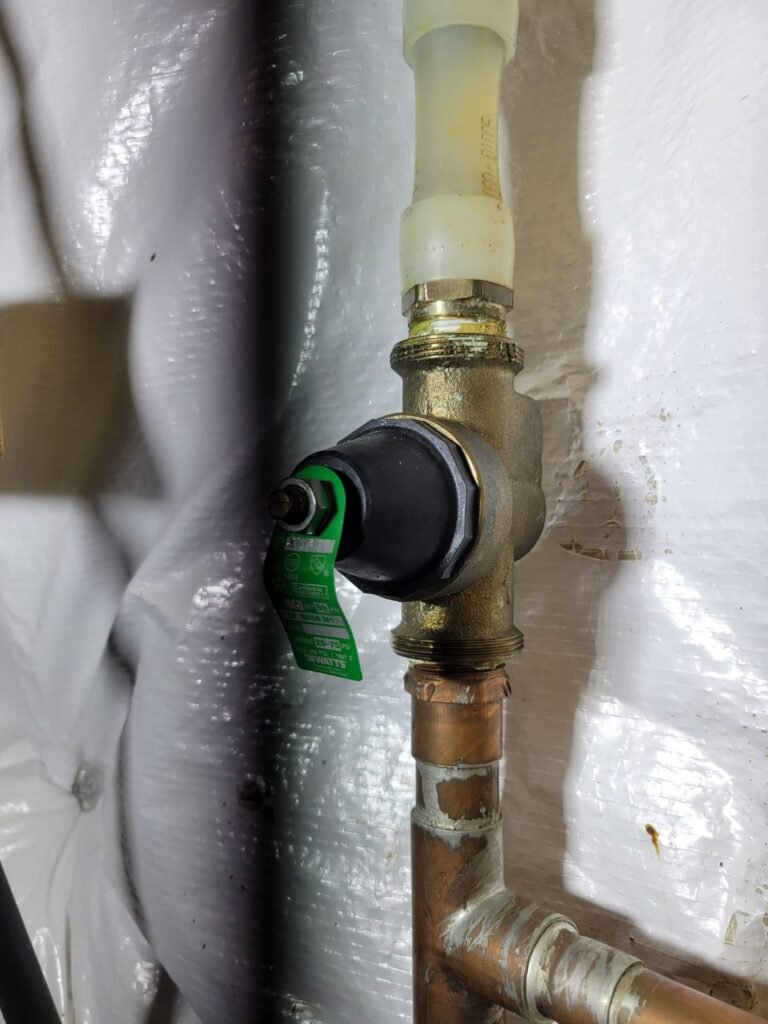
- The drain valve won’t open or flows slowly. Sediment may be clogging it. Don’t force an old plastic valve; it can crack.
- The drain valve drips afterward. Old valves often don’t seal well after use. A brass replacement is an easy fix for a plumber.
- Lots of sediment keeps coming. Heavy, hardened sediment on an older heater may not flush out fully, and it’s often a sign the heater is near the end of its life. See how long water heaters last.
- No hot water afterward. On gas heaters, check that the control is back on ON and the pilot is lit. On electric heaters, make sure the breaker is on. If it still won’t heat, see no hot water.
Want us to handle it?
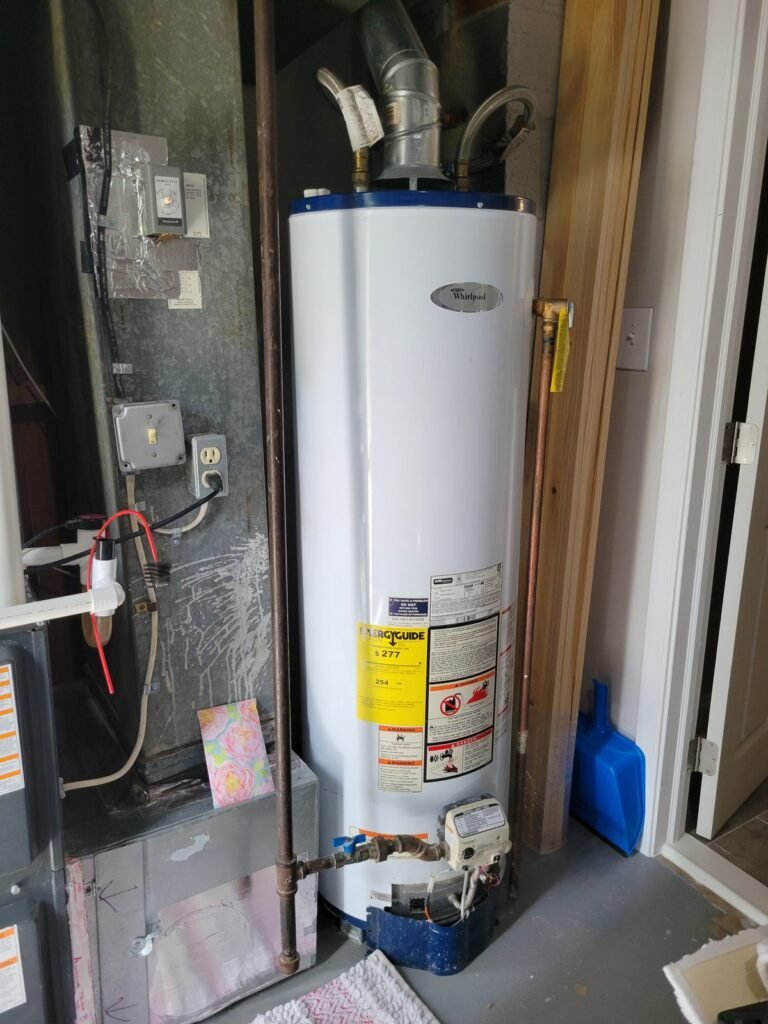
Rather not deal with hot water, hoses and stuck valves? We’ll flush your heater, check the anode rod, relief valve and expansion tank, and let you know how much life it has left.
What about tankless water heaters?
Tankless heaters don’t collect sediment the same way, but minerals build up as scale inside the heat exchanger. They need to be descaled by circulating a descaling solution through the unit, usually once a year or more often with hard water. Most tankless units have service valves for this, and we can do it as part of regular maintenance.
Key takeaways
- Flush a tank water heater about once a year, more often with hard water.
- Turn off the power or set the gas to PILOT before you start.
- Rinse with short bursts of cold water until the water runs clear.
- Refill completely before restoring power, especially on electric heaters.
- Tankless heaters need descaling instead of flushing.
Frequently asked questions
How often should I flush my water heater?
Once a year for most homes, and every six months if you have hard water or hear rumbling.
What happens if you never flush your water heater?
Sediment builds up, the heater works harder and gives you less hot water, electric elements can burn out, and the bottom of the tank can corrode and leak sooner.
Is it too late to flush an old water heater?
Not necessarily, but on an older heater with heavy, hardened sediment, flushing may not remove it all, and an old plastic drain valve may leak afterward. A plumber can judge whether it’s worth it.
Do I need to turn off the water heater to flush it?
Yes. Turn off the breaker on an electric heater, or set the gas control to PILOT or VACATION on a gas heater, before draining.
How long does it take to flush a water heater?
Usually about an hour, including draining, flushing and refilling.

Need this fixed? We serve your area
Licensed plumbers and electricians on call 24/7 in these communities and across the DMV.
Related water heaters guides
Rather have a pro handle it?
Emergencies: call now and we’ll be on the way. For everything else, send your details and we’ll call you right back.
- ✓ Free estimates on installs & upgrades
- ✓ Licensed & insured in Maryland
- ✓ Open 24/7, including weekends