
Gas vs. Electric Water Heaters: Pros, Cons & Which to Choose
How gas and electric water heaters compare on recovery speed, operating cost, installation, safety and maintenance, and when switching makes sense.
In this guide
Gas water heaters heat water faster and usually cost less to run where natural gas is available, but they need a gas line, proper venting and combustion air. Electric water heaters are simpler to install, need no venting and work anywhere with the right circuit, but standard electric tanks recover more slowly. Heat pump electric models are far more efficient than either standard type. If your home already has one fuel set up, staying with it is usually the simplest and least expensive choice.
If you’re replacing a water heater, the first question is often whether to stay with the same fuel. Here’s how gas and electric compare, and when it’s worth switching.
Gas vs. electric at a glance
| Gas | Electric | |
|---|---|---|
| Recovery speed | Faster | Slower (standard tank) |
| Operating cost | Often lower where natural gas is available | Higher for standard tanks; much lower for heat pump models |
| Installation | Needs gas line, venting and combustion air | Needs a dedicated 240-volt circuit; no venting |
| Location flexibility | Limited by venting | Can go almost anywhere with power and drainage |
| Power outage | Standing-pilot models keep working; power-vent models don’t | No hot water without power |
| Safety | Combustion appliance; needs proper venting and CO alarms | No combustion gases |
| Maintenance | Flushing, burner and vent checks | Flushing, element and thermostat checks |
The case for gas
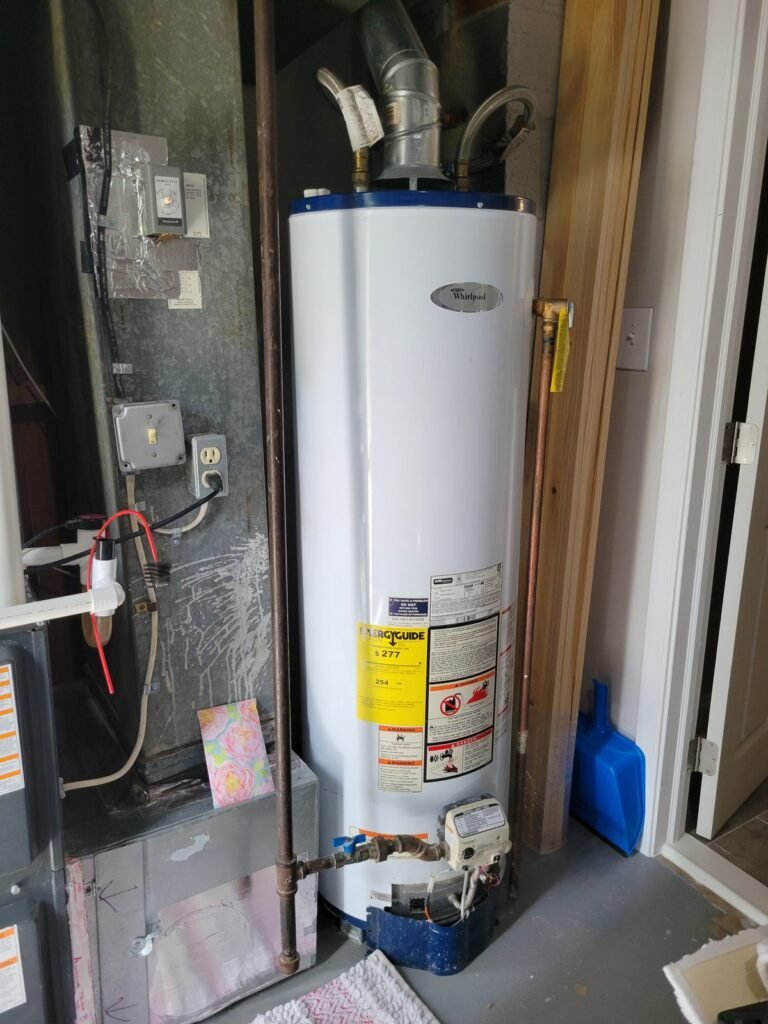
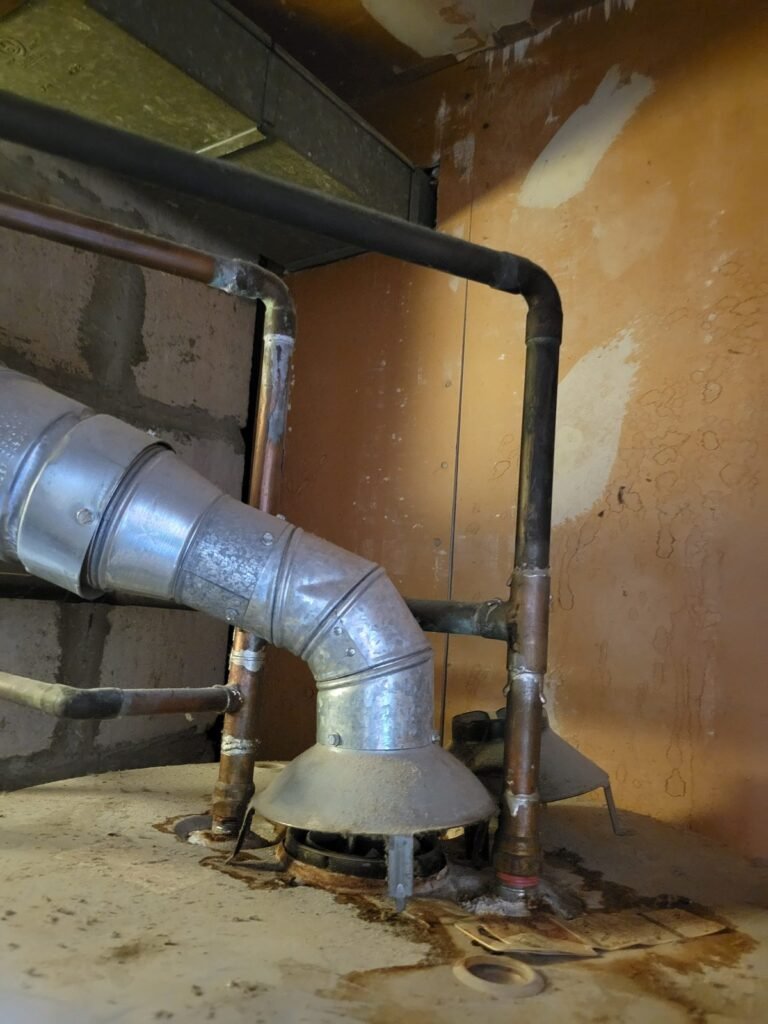
Gas heaters recover quickly, so a smaller tank can keep up with a busy household. Where natural gas is available, they usually cost less to run than a standard electric tank. Many standard gas models also keep heating during a power outage.
The case for electric
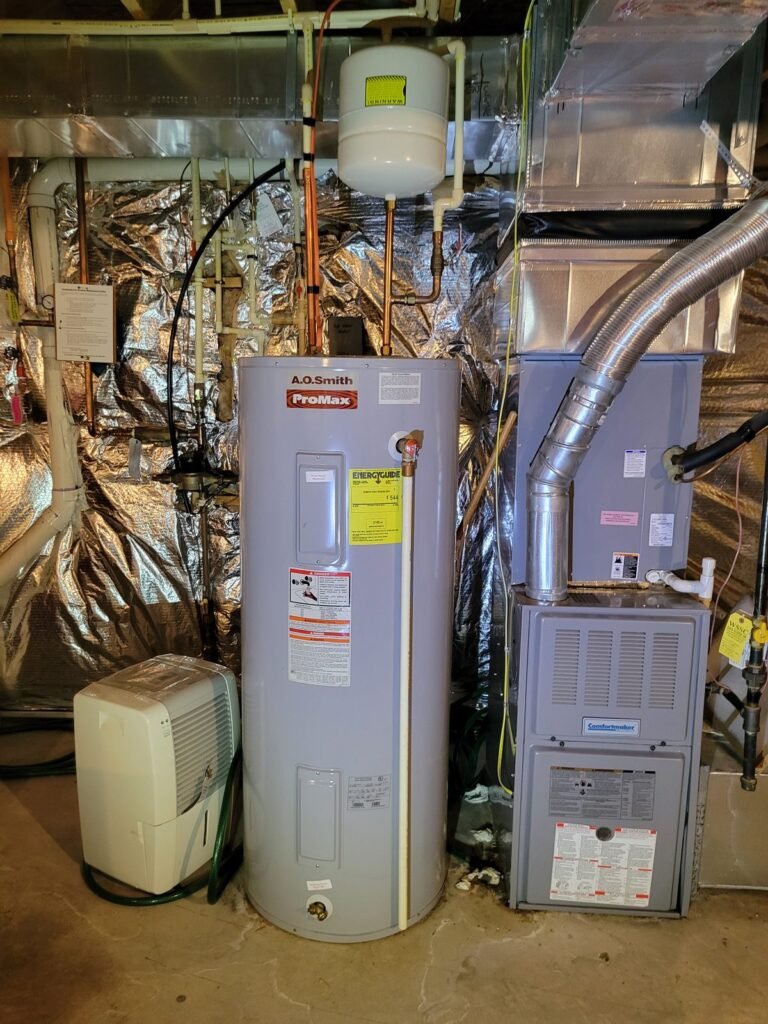
Electric heaters are simpler: no gas line, no vent, no combustion. That makes them a good fit for closets, finished spaces and homes without natural gas. Standard electric tanks cost more to run, but heat pump water heaters change the math by using far less electricity. See how long water heaters last for lifespan differences.
Should you switch fuels?
Switching is possible but adds work. Going from electric to gas means running a gas line and adding venting. Going from gas to electric means a new 240-volt circuit, sometimes more panel capacity, and properly capping the old gas line. If you’re already set up for one fuel, staying with it is usually the most cost-effective choice, unless you’re upgrading to a heat pump or tankless model. Our guides to electric tankless and your panel and tankless vs. tank cover those options.
Gas appliances need working carbon monoxide alarms. If you have a gas water heater, make sure you have CO alarms on every level of your home.
Get an honest recommendation
We install both gas and electric water heaters, and our licensed electricians and plumbers handle the gas line, venting or circuit work that switching requires. We’ll give you an upfront price for each option.
Key takeaways
- Gas heats faster and often costs less to run where natural gas is available.
- Electric is simpler to install and needs no venting.
- Heat pump electric heaters are far more efficient than standard electric tanks.
- Switching fuels adds gas line, venting or electrical work.
- Gas appliances need working carbon monoxide alarms.
Frequently asked questions
Is a gas or electric water heater cheaper to run?
Where natural gas is available, a gas tank usually costs less to run than a standard electric tank. A heat pump electric water heater can be cheaper to run than either.
Which lasts longer, gas or electric?
Both typically last around 8 to 12 years. Electric tanks sometimes last a little longer because there’s no burner or venting, but maintenance matters more than fuel type.
Can I switch from gas to electric?
Yes. It needs a dedicated 240-volt circuit, possibly more panel capacity, and the old gas line capped safely. We handle both sides.
Do gas water heaters work without power?
Many standard gas models with a standing pilot keep working. Power-vent and many tankless gas models need electricity.

Need this fixed? We serve your area
Licensed plumbers and electricians on call 24/7 in these communities and across the DMV.
Related water heaters guides
Rather have a pro handle it?
Emergencies: call now and we’ll be on the way. For everything else, send your details and we’ll call you right back.
- ✓ Free estimates on installs & upgrades
- ✓ Licensed & insured in Maryland
- ✓ Open 24/7, including weekends